
Finishing a Basement? What to Know About Drywall Before You Start
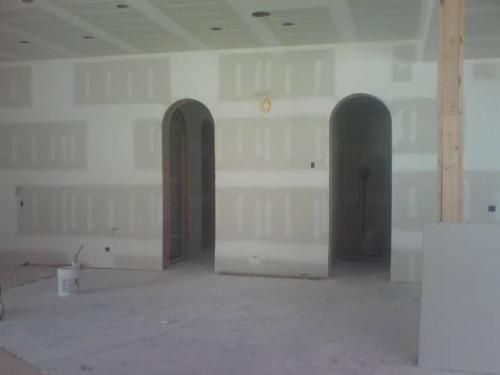
A finished basement can add a lot of usable space to your home, and drywall is what turns a bare concrete-and-framing space into a real room. Here's what to know before you start.
Start with a dry, ready space
Before any drywall goes up, the space should be dry and the framing, wiring and insulation should be done. If a basement has any moisture problems, fix them first, because drywall over a damp wall won't last. In areas that may see humidity, ask your contractor about moisture-resistant drywall.
Hanging, taping and finishing
Once the space is ready, the drywall is hung and screwed to the framing. The seams are then taped and covered with joint compound, which is sanded smooth between coats. This finishing work is what makes walls look seamless once they're painted, and it's the step that takes the most time because the compound has to dry between coats.
How long does it take?
It depends on the size of the space, the number of rooms and any custom details, like arches or ceiling features. Ask your contractor for a schedule up front so you know what to expect.
Questions to ask your contractor
- Do you offer a free estimate?
- Is the work insured and backed by a warranty?
- Will you also handle the painting?
- Can you match or remove the existing texture?
At Menard Drywall LLC, we handle basement remodels from the first sheet of drywall to the last coat of paint, with a one-year labor warranty on our workmanship. Call (608) 547-1491 or request a free estimate.


